

What Is Medical Detox?
Medical detoxification is the process of safely managing the acute physical and psychological symptoms of withdrawal that occur when a person dependent on substances stops using. It is the critical first step in the continuum of addiction treatment, not treatment itself, but the essential bridge that stabilizes the body and mind for therapeutic engagement.
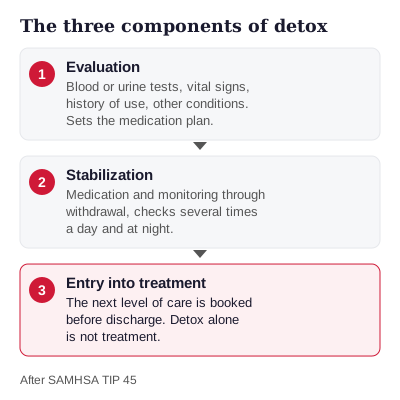
According to the American Society of Addiction Medicine (ASAM), medical detox involves three essential components: evaluation (testing for substances, assessing for co-occurring conditions, and determining appropriate level of care), stabilization (managing withdrawal through medical and psychosocial interventions), and preparation for ongoing treatment (fostering the patient's readiness to engage in a comprehensive treatment program).
The importance of medical supervision during detox cannot be overstated. Withdrawal from alcohol and benzodiazepines can produce life-threatening complications including seizures, delirium tremens (DTs), and cardiac events. Opioid withdrawal, while rarely fatal in otherwise healthy adults, produces intensely uncomfortable symptoms that drive the vast majority of unsupervised attempts to fail. Professional medical detox ensures safety, manages symptoms effectively, and significantly increases the likelihood of successful transition to ongoing treatment.

Withdrawal Timelines by Substance
Withdrawal timelines and symptom severity vary significantly by substance type, duration and intensity of use, individual physiology, and the presence of co-occurring conditions. Understanding these general timelines helps set realistic expectations.
Alcohol withdrawal typically begins 6-12 hours after the last drink. Minor symptoms (anxiety, insomnia, nausea, tremors) appear first. Within 12-48 hours, more serious symptoms may develop including hallucinations and seizures. Delirium tremens, the most dangerous complication, typically occurs 48-72 hours after the last drink and involves severe confusion, autonomic instability, and potentially fatal cardiovascular events. The acute withdrawal phase generally resolves within 5-7 days, though protracted symptoms (anxiety, sleep disturbance, mood instability) may persist for weeks or months.
Opioid withdrawal begins 8-24 hours after the last use of short-acting opioids (heroin, oxycodone) or 24-72 hours after long-acting opioids (methadone). Early symptoms include anxiety, muscle aches, insomnia, and yawning. Peak symptoms (days 2-3) include nausea, vomiting, diarrhea, abdominal cramps, dilated pupils, and intense cravings. Physical withdrawal largely resolves within 7-10 days, but psychological symptoms and cravings may persist much longer.
Benzodiazepine withdrawal is among the most medically complex and potentially dangerous. Onset varies from 1-7 days depending on the specific benzodiazepine's half-life. Symptoms include severe anxiety, insomnia, tremors, seizures (which can be fatal), perceptual disturbances, and in severe cases, psychosis. Medical detox with gradual dose tapering over weeks or months is essential, abrupt discontinuation of benzodiazepines can be life-threatening.
Stimulant withdrawal (cocaine, methamphetamine) produces primarily psychological symptoms: severe fatigue, depression, increased appetite, vivid and unpleasant dreams, and psychomotor retardation. While not typically medically dangerous, the profound depression and anhedonia during stimulant withdrawal increase suicide risk and require careful monitoring. Meth recovery in particular can involve extended post-acute withdrawal lasting weeks to months.
Need Help Finding Treatment?
Our counselors are available 24/7 to help you find the right program.
Medications Used During Detox
Modern medical detox employs a range of evidence-based medications to manage withdrawal symptoms safely and comfortably. The specific medication protocol depends on the substance(s) involved and individual patient factors.
For alcohol withdrawal: Benzodiazepines (diazepam, chlordiazepoxide, lorazepam) remain the primary treatment, with dosing guided by validated scales like the CIWA-Ar (Clinical Institute Withdrawal Assessment for Alcohol-Revised). Symptom-triggered dosing protocols, administering medication based on real-time symptom severity rather than fixed schedules, reduce total benzodiazepine exposure while maintaining effective symptom control. Anticonvulsants (carbamazepine, gabapentin) may supplement or replace benzodiazepines in mild to moderate cases. Thiamine supplementation prevents Wernicke-Korsakoff syndrome.
For opioid withdrawal: Buprenorphine is increasingly the preferred medication, as it both manages acute withdrawal symptoms and provides a bridge to ongoing MAT. Clonidine (an alpha-2 agonist) addresses autonomic symptoms like sweating, anxiety, and elevated blood pressure. Supportive medications including loperamide (for diarrhea), ondansetron (for nausea), and NSAIDs (for muscle pain) improve comfort. Starting buprenorphine or methadone during detox and continuing through treatment significantly improves retention and outcomes.
For benzodiazepine withdrawal: Gradual dose reduction using long-acting benzodiazepines (typically diazepam) is the standard approach. The taper schedule may extend over weeks or months depending on the duration and dose of benzodiazepine use. Rushing this process increases seizure risk and withdrawal severity.
Throughout all detox protocols, supportive care, hydration, nutrition, sleep hygiene, emotional support, and monitoring for complications, complements pharmacological management.

Preparing for Detox: Practical Steps
Preparation can significantly reduce anxiety and improve the detox experience. If you or a loved one is preparing for medical detox, these practical steps will help.
Choose the right setting: The level of detox supervision needed depends on the substance, severity of dependence, and medical history. Inpatient medical detox is recommended for alcohol dependence with history of seizures or DTs, benzodiazepine dependence, polysubstance dependence, significant medical comorbidities, and high-dose or long-duration opioid dependence. Outpatient detox may be appropriate for mild to moderate dependence in otherwise healthy individuals with strong social support.
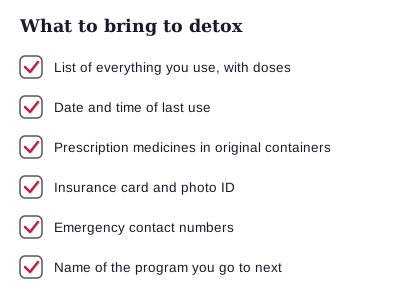
Gather information: Bring a complete list of all substances used (including alcohol, prescription medications, supplements, and illicit drugs), dosages, frequency, and date of last use. Bring all current prescription medications in original containers. Bring insurance information, identification, and emergency contacts. Be completely honest about your substance use, clinical staff need accurate information to keep you safe.
Plan for what comes next: Detox alone is not treatment, it is the gateway to treatment. Before beginning detox, have a plan for continuing care: a residential program, PHP, IOP, or outpatient program that begins immediately after detox completion. The transition from detox to treatment is a high-vulnerability period; gaps increase relapse risk significantly.
Set expectations: Detox is uncomfortable but manageable with proper medical support. It typically lasts 3-10 days depending on the substance. You will likely experience some discomfort despite medications. The medical team's goal is to make the process as safe and comfortable as possible while preparing you for the therapeutic work ahead.
Take the First Step Today
Evidence shows early intervention leads to better outcomes.
After Detox: The Critical Next Step
Completing detox is an achievement worth acknowledging, and also a moment of significant vulnerability. Research consistently shows that individuals who transition directly from detox into ongoing treatment have dramatically better outcomes than those who do not. The National Institute on Drug Abuse emphasizes that detox without follow-up treatment is rarely sufficient for lasting recovery.
The reason is straightforward: detox addresses physical dependence, but the psychological, behavioral, and social dimensions of addiction remain. The neural pathways that drive craving and substance-seeking behavior are unchanged by detox. Without therapeutic intervention to develop new coping skills, address underlying issues, and build recovery supports, the overwhelming majority of individuals will return to substance use within days to weeks.
Ideally, the transition from detox to treatment should be seamless, literally walking from the detox unit into the residential or outpatient program. If there must be a gap, it should be as brief as possible and filled with structured support (daily meetings, check-in calls with a counselor, time with a sponsor). Call for help planning a comprehensive treatment trajectory that begins with detox and continues through the full continuum of care.
How Long Does Medical Detox Take?
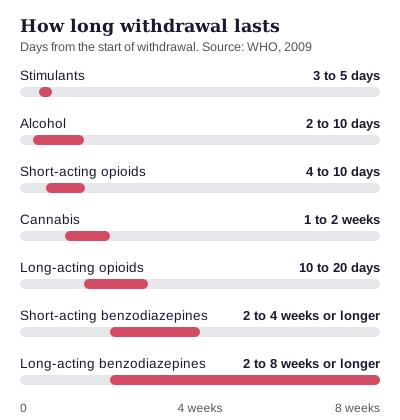
It depends on the substance, and the range is wider than most people expect: from three days to two months. The table uses the timelines in the World Health Organization's clinical guidelines for withdrawal management. Other references differ by a few hours here and there, so read these as typical ranges and not as a schedule.
| Substance | Withdrawal starts | How long it lasts |
|---|---|---|
| Alcohol | Within 6 to 24 hours of the last drink | 2 to 10 days. Most severe at 36 to 72 hours |
| Heroin and other short-acting opioids | 8 to 24 hours after last use | 4 to 10 days |
| Methadone and other long-acting opioids | 12 to 48 hours after last use | 10 to 20 days |
| Short-acting benzodiazepines (alprazolam, oxazepam, temazepam) | 1 to 2 days after the last dose | 2 to 4 weeks or longer |
| Long-acting benzodiazepines (diazepam) | 2 to 7 days after the last dose | 2 to 8 weeks or longer |
| Stimulants (cocaine, methamphetamine) | Within 24 hours of last use | 3 to 5 days |
| Cannabis | Not specified in the guideline | 1 to 2 weeks, typically mild |
Why a detox stay can be shorter than withdrawal
A detox unit keeps you through the dangerous part and the worst part. It does not keep you until every symptom is gone. Someone leaving alcohol detox on day five may sleep badly for weeks. That is expected, and it is one reason the next level of care should start the same day.
Why some people are in detox for six weeks
Three situations stretch the timeline. Benzodiazepines are tapered, not stopped, and the WHO guideline says "there should be at least one week between dose reductions". Long-acting opioids such as methadone produce a withdrawal that runs 10 to 20 days. And people who use more than one substance go through more than one timeline at once.
What Happens in Medical Detox, Step by Step
SAMHSA's reference text on the subject, TIP 45, describes detox as three components that "may take place concurrently or as a series of steps". The medical detox process follows this outline in almost every program.
1. Evaluation: the first hours
TIP 45 says evaluation "entails testing for the presence of substances of abuse in the bloodstream, measuring their concentration, and screening for co-occurring mental and physical conditions." Expect blood or urine tests, vital signs, and a long list of questions about what you used, how much and when. The honest answer is the useful one, because the medication plan is built on it.
2. Stabilization: the days in the middle
This is the part people picture. Staff give medication, check symptoms on a schedule and adjust the dose. The WHO guideline gives a sense of the rhythm: patients are monitored three to four times a day, and in alcohol withdrawal a symptom scale "should be administered every four hours for at least three days". You will be woken up at night. That is the monitoring working.
3. Entry into treatment: before you leave
TIP 45 calls the third component "preparing the patient for entry into substance abuse treatment". Concretely, someone should sit down with you before discharge and book what comes next. The WHO guideline is blunt about why: "It is unrealistic to think that withdrawal management will lead to sustained abstinence."
Is detox a hospital ward with beds?
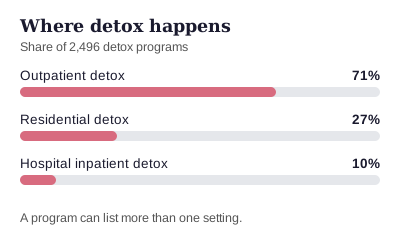
Sometimes, but usually not. Of the 2,496 detox programs in our directory, 240 list hospital inpatient detox, 677 list residential detox in a freestanding facility, and 1,775 list outpatient detox, where you come in for medication and checks and sleep at home. TIP 45 advises that people "in danger of seizures or delirium tremens should receive inpatient care".
What 2,496 Detox Programs Report About Themselves
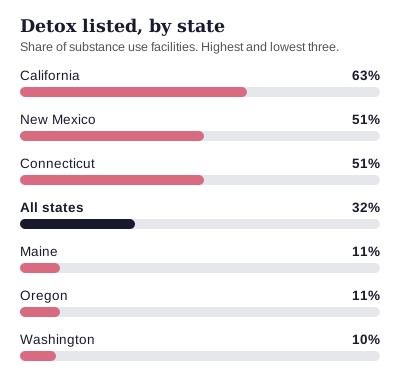
We read the SAMHSA service profile of every program in our directory and kept the 2,496 that list detoxification. That is 32% of the 7,756 facilities in our directory that answered SAMHSA's substance use treatment questionnaire. Mental health facilities answer a different questionnaire that does not ask about detox, so they are left out of this count. Three findings matter if you are choosing where to go.
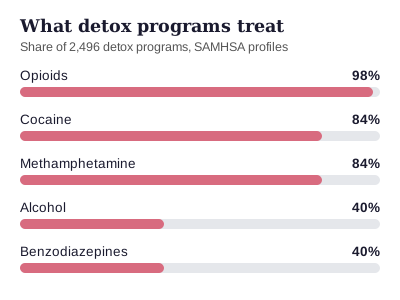
Most detox programs do not list alcohol detox. Nearly all of them handle opioids. Only four in ten say they detox alcohol or benzodiazepines, the two withdrawals with the most dangerous complications.
| Listed in the SAMHSA profile | Programs | Share of 2,496 |
|---|---|---|
| Opioid detox | 2,441 | 98% |
| Cocaine detox | 2,088 | 84% |
| Methamphetamine detox | 2,087 | 84% |
| Alcohol detox | 1,004 | 40% |
| Benzodiazepine detox | 993 | 40% |
| Outpatient detox | 1,775 | 71% |
| Residential detox | 677 | 27% |
| Hospital inpatient detox | 240 | 10% |
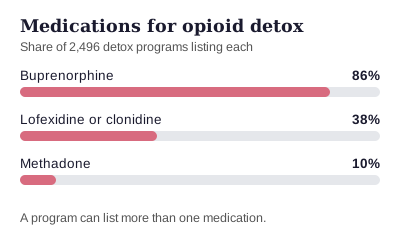
| Buprenorphine used for detox | 2,146 | 86% |
| Lofexidine or clonidine used for detox | 947 | 38% |
| Methadone used for detox | 249 | 10% |
| Aftercare or continuing care | 2,403 | 96% |
Detox is mostly outpatient. Seven in ten programs offer outpatient detox, and 1,712 of them offer nothing else. If you need a bed, check the setting before you travel.
Where you live changes your odds. In California, 63% of substance use treatment facilities list detox, and in Connecticut and New Mexico 51%. In Oregon and Maine it is 11%, and in Washington 10%.
Method: Pathway Recovery editorial team, counted October 10, 2026. Source is the service profile each facility files with the SAMHSA Treatment Services Locator (FindTreatment.gov). A program is counted as a detox program when its type of care includes detoxification, and counted for a service when that service appears in its profile word for word. A facility that provides a service without listing it is missed, so the real shares may be higher. Corrected October 16, 2026: an earlier version gave the detox share and the state figures out of all 14,140 programs, including mental health facilities that are never asked about detox, which understated them.
You can see what a specific facility reports on its page in our state directory, and read about the clinical side in our overview of medical detox.
Does Insurance or Medicaid Cover Detox?
Often, yes. Among the same 2,496 detox programs, 91% list private health insurance, 81% list Medicaid and 69% list Medicare. Military insurance is much rarer at 26%.
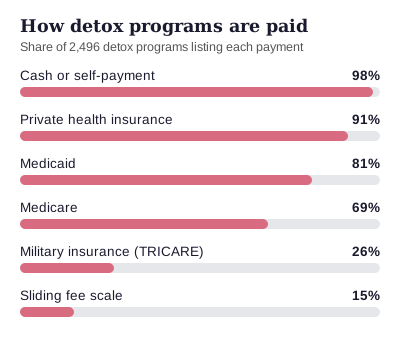
"Listed" means the program told SAMHSA it takes that kind of payment. It does not mean your plan is in its network, so call before you go. Marketplace plans must cover substance use treatment as an essential health benefit (HealthCare.gov), and state Medicaid programs set their own rules (Medicaid.gov).
Is there free detox?
Truly free programs are rare: eight of the 2,496 list "no payment accepted". A sliding fee scale based on income is more common, listed by 370 programs, or 15%. If cost is the barrier, ask about the sliding scale and about state funding before you rule a program out. Our insurance guides explain what to ask.
Can You Detox at Home?
It depends on what you are stopping. The risk is not the same across substances.
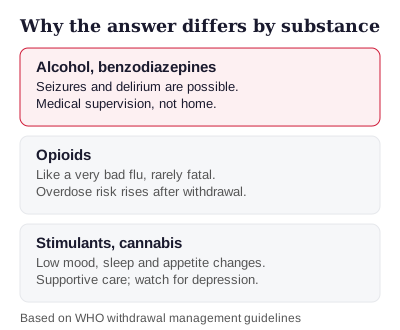
Alcohol and benzodiazepines
These are the two to take seriously. The WHO guideline lists seizures, hallucinations and delirium among the complications of severe alcohol withdrawal and notes that in rare cases it "can be life-threatening and require emergency medical intervention". For benzodiazepines, the same guideline says the safest way to withdraw is "to give benzodiazepines in gradually decreasing amounts", which prevents seizures. Neither is a do-it-yourself project. If you drink daily or take benzodiazepines daily, talk to a clinician before you stop.
Opioids
Opioid withdrawal "can feel like a very bad flu" and "is not usually life-threatening", in the WHO's words. The danger comes afterwards.
Can you die from detox?
From withdrawal itself, rarely, and mostly from alcohol or benzodiazepines when no one is watching. From what happens next, more often. The WHO guideline warns that people who have withdrawn from opioids "are at increased risk of overdose due to reduced opioid tolerance". A dose that was routine two weeks ago can now be fatal. This is the strongest argument for supervised detox followed by treatment, and for keeping naloxone at home.
Detox during pregnancy
Do not stop opioids on your own while pregnant. The WHO guideline recommends that opioid-dependent pregnant women "do not undergo opioid withdrawal as this can cause miscarriage or premature delivery", and names methadone maintenance as the recommended approach. Tell the program you are pregnant when you first call.
Medical Detox Is Not a Cleanse or a Drug Test Fix
Search engines mix two meanings of the word. Medical detox is the supervised management of withdrawal described on this page. It has nothing to do with juice cleanses, liver flushes or "detox drinks" sold to pass a urine test. A medical detox program will not speed up how fast a drug leaves your body and does not exist to help anyone pass a test. Its purpose is to keep withdrawal safe and to hand you on to treatment.